
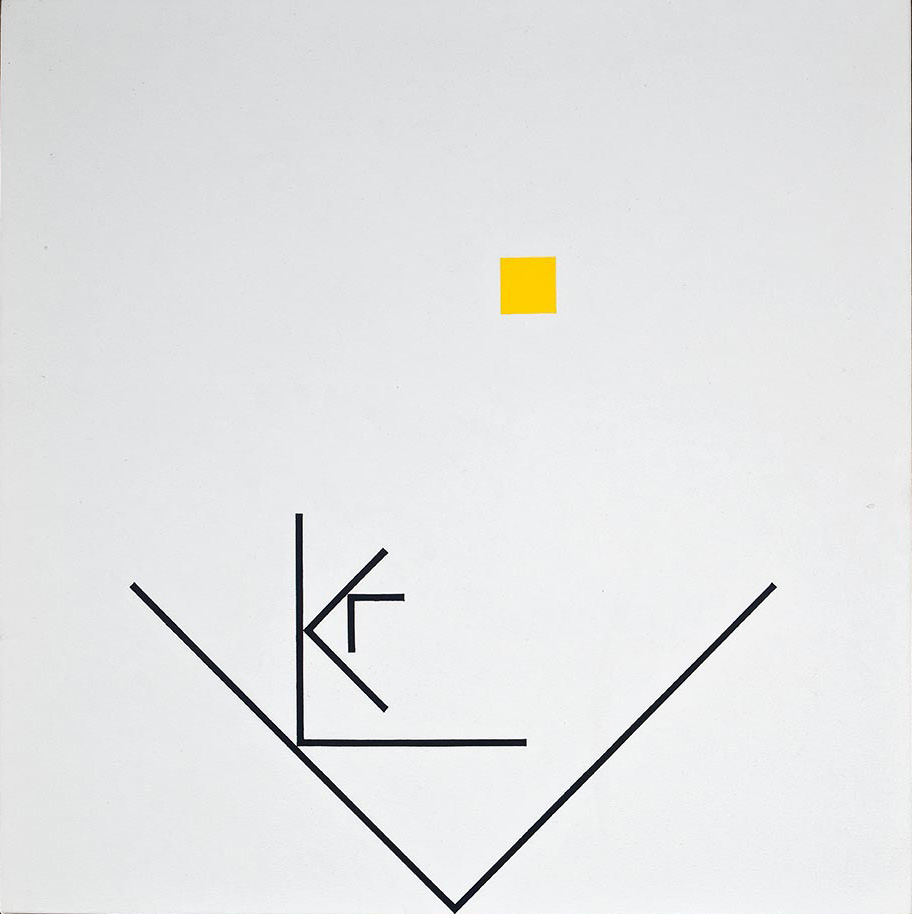
“And what can we say about João José, the most rigorous concrete artist of the group? Working with progression and alternating rhythms, in a deliberate elementalism of forms, he presents us with surfaces that live and expand.”
Super 8 family archive
Painter & architect · b. 1931, Parnaíba, Piauí

João José Costa, Brazilian artist and founding member of Grupo Frente.
01Biography
An economy of means, held with conviction for six decades.
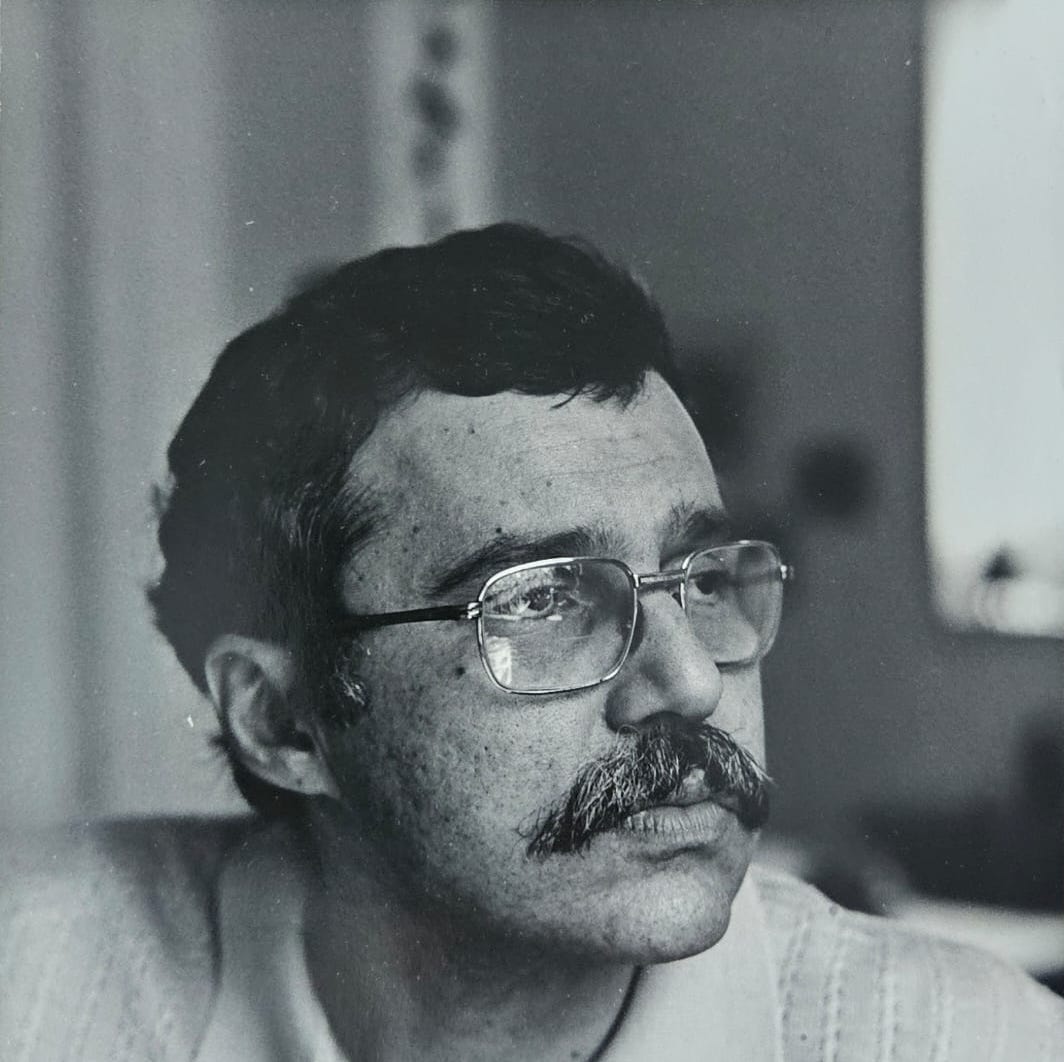
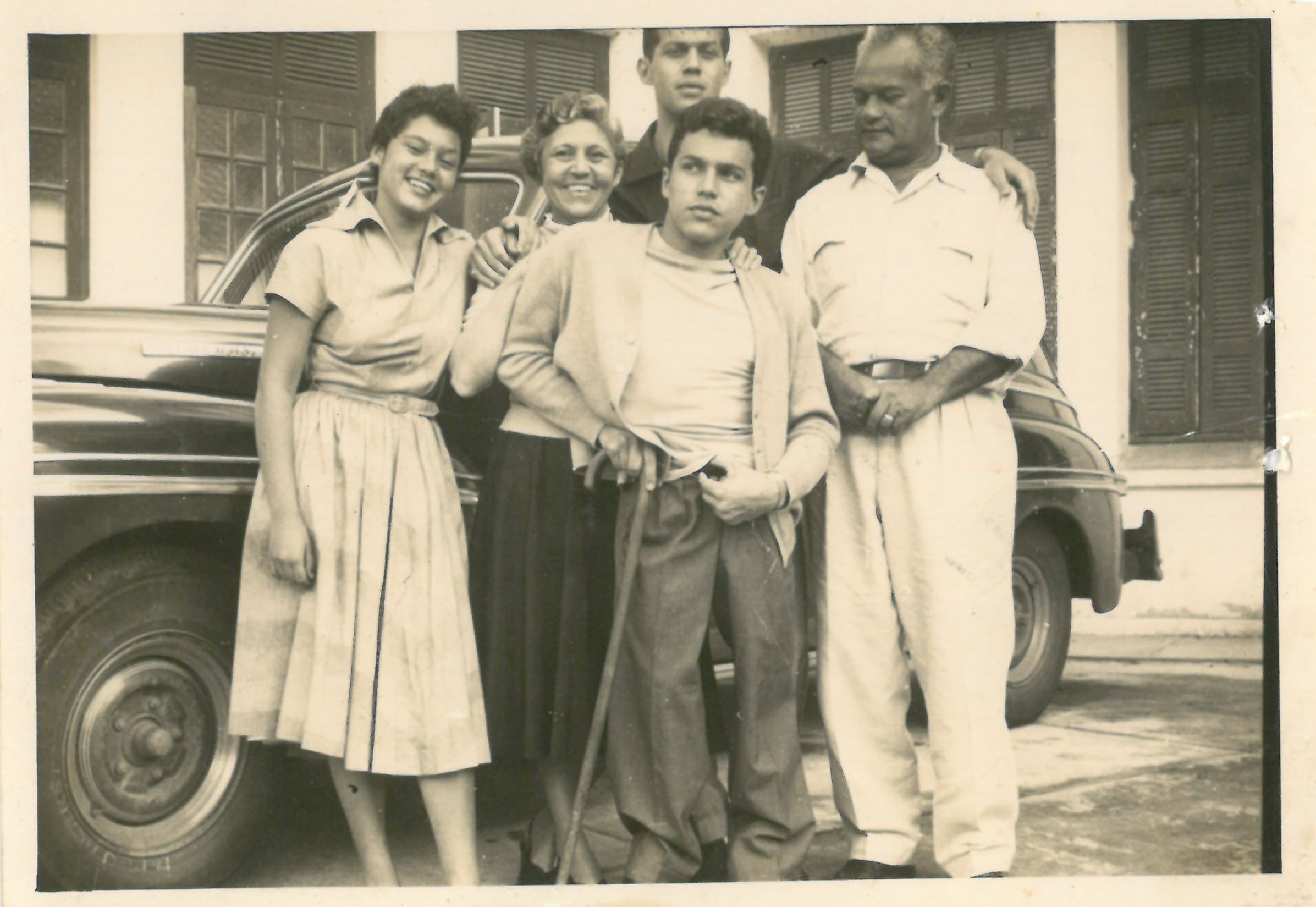
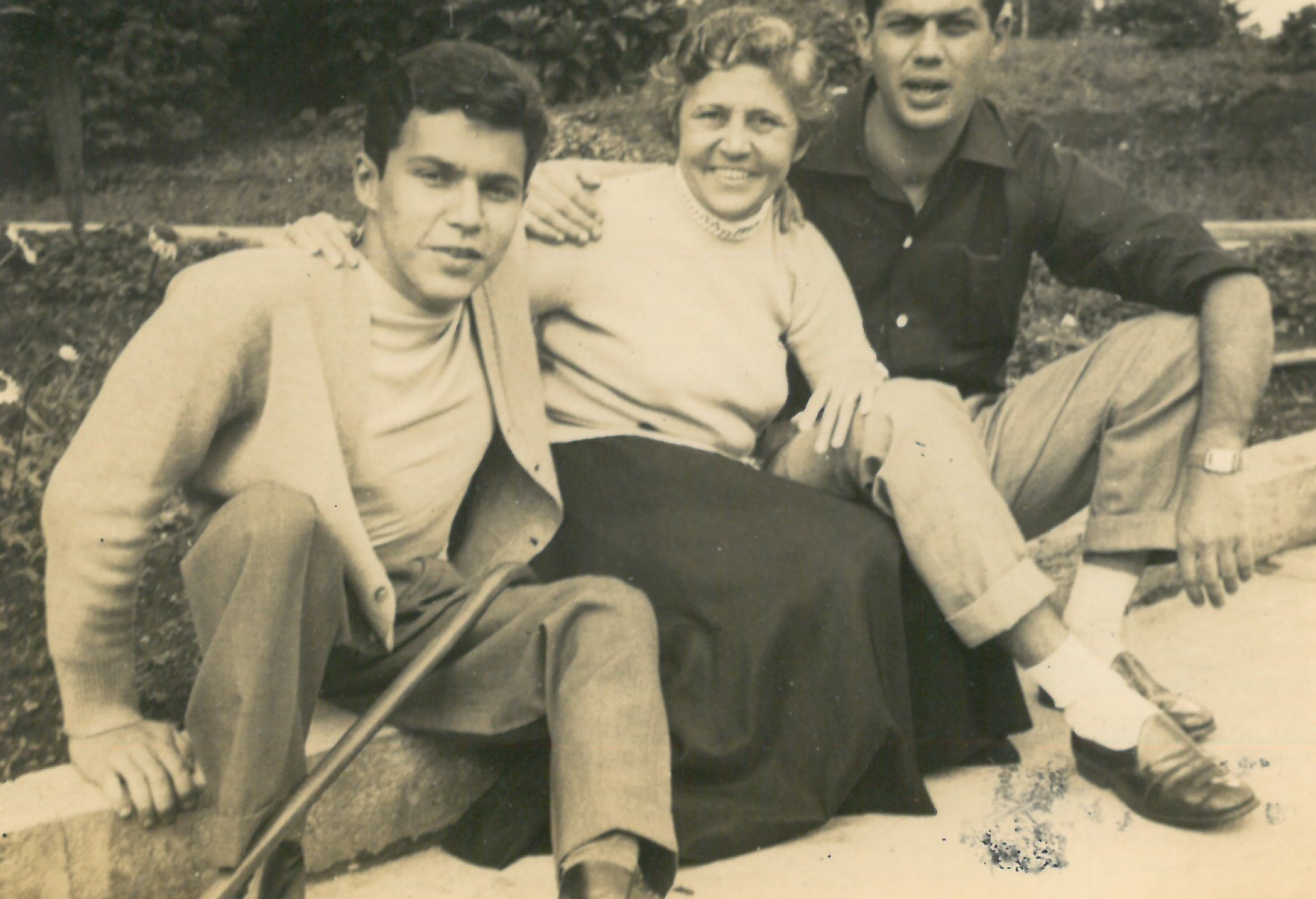
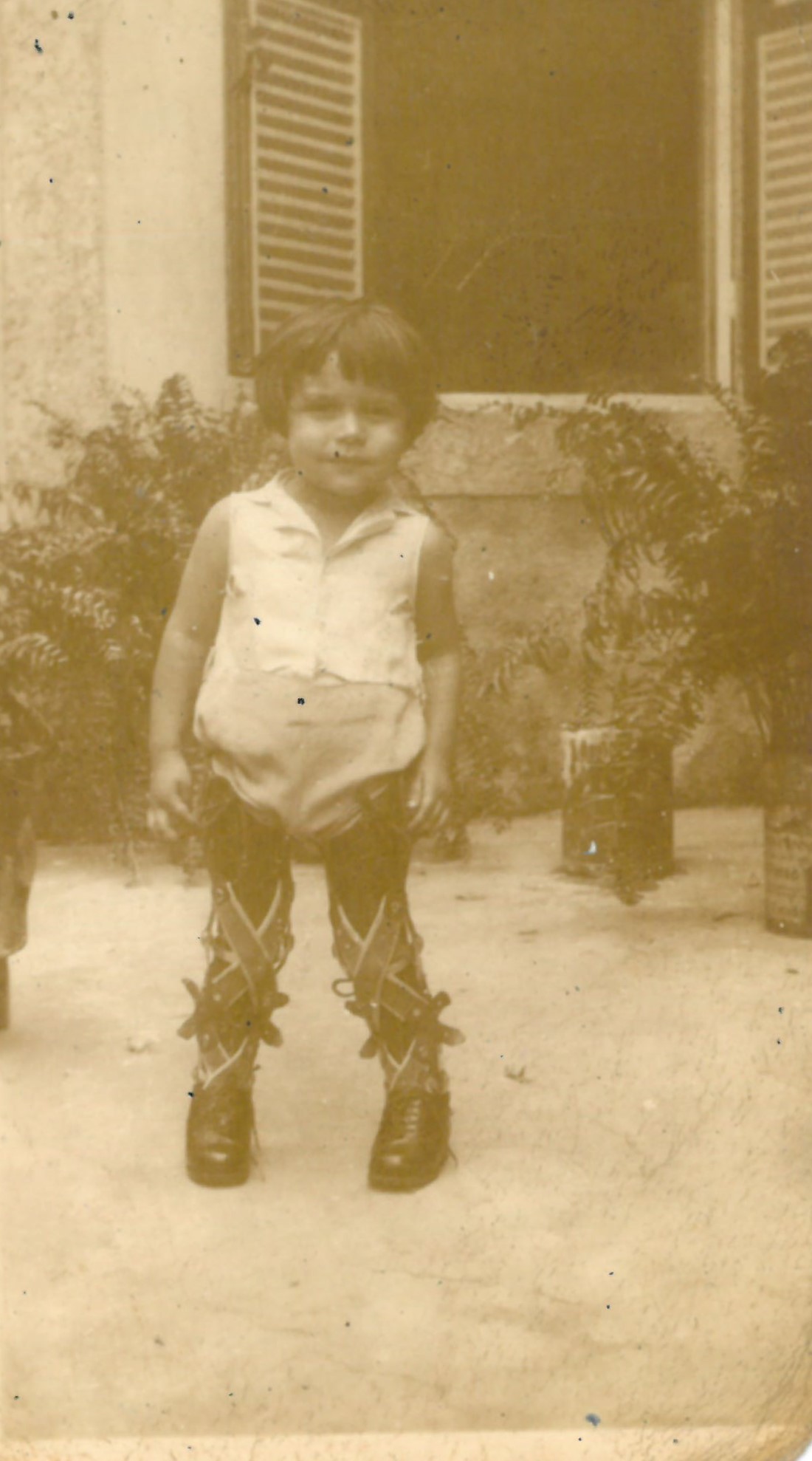
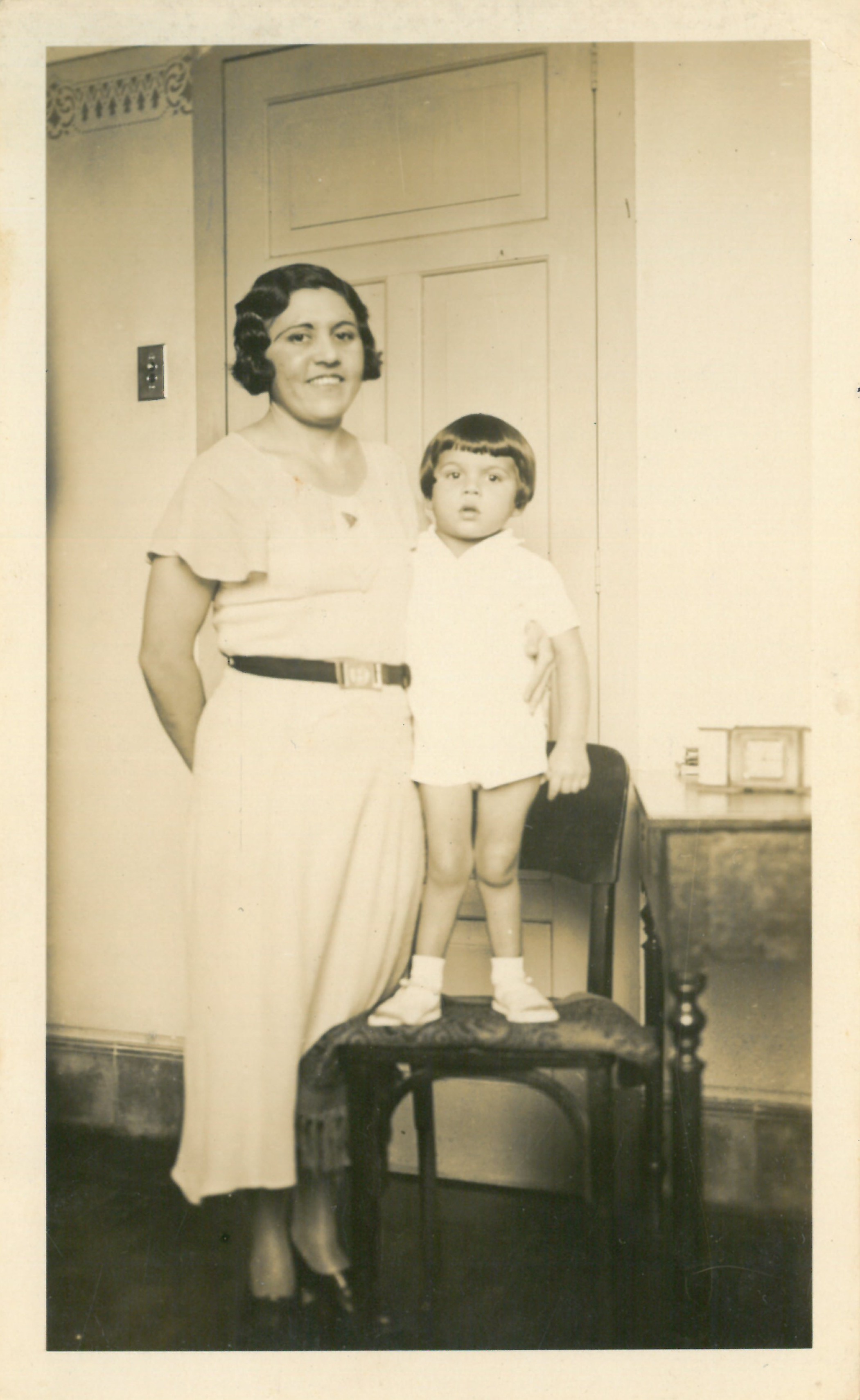
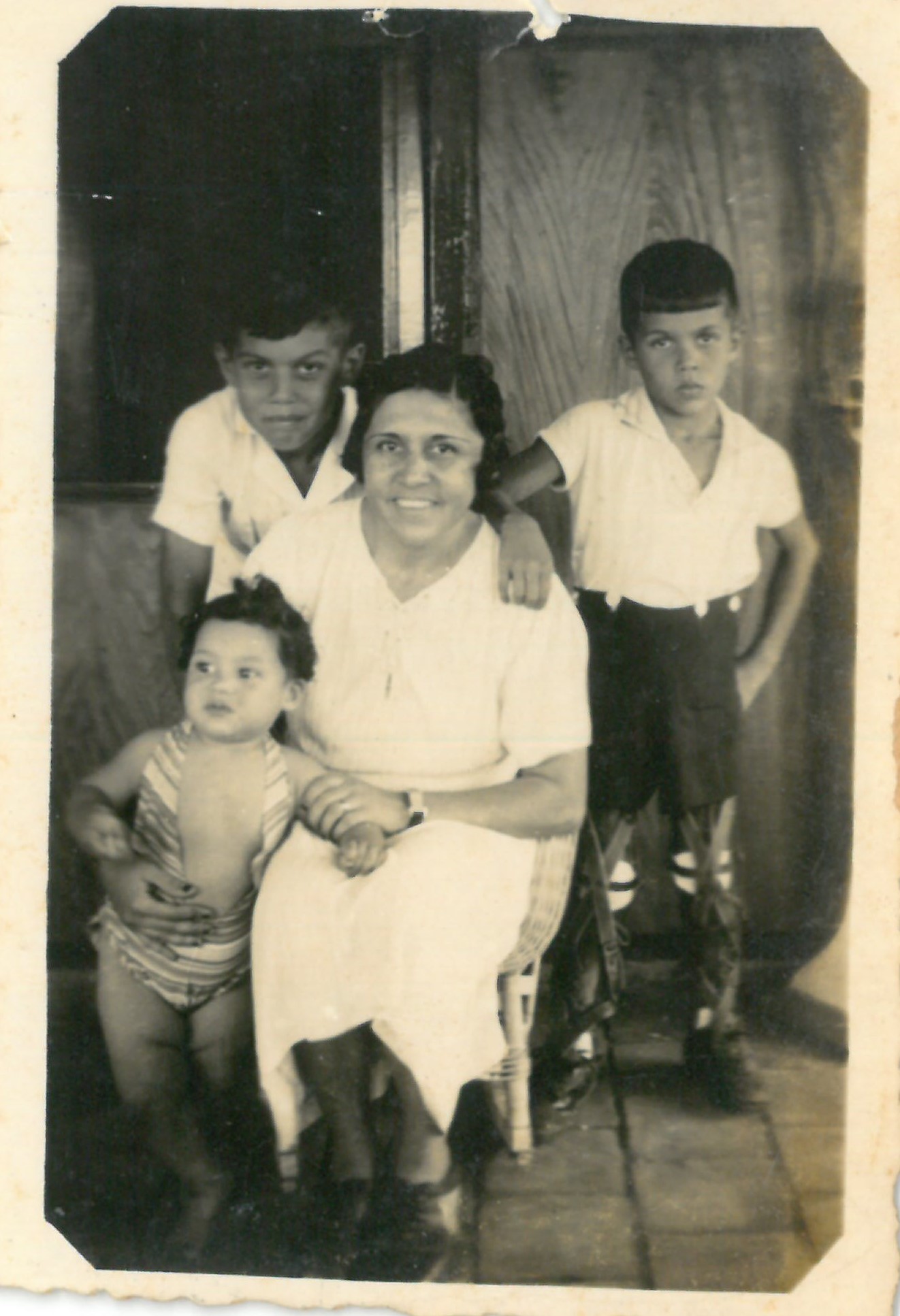
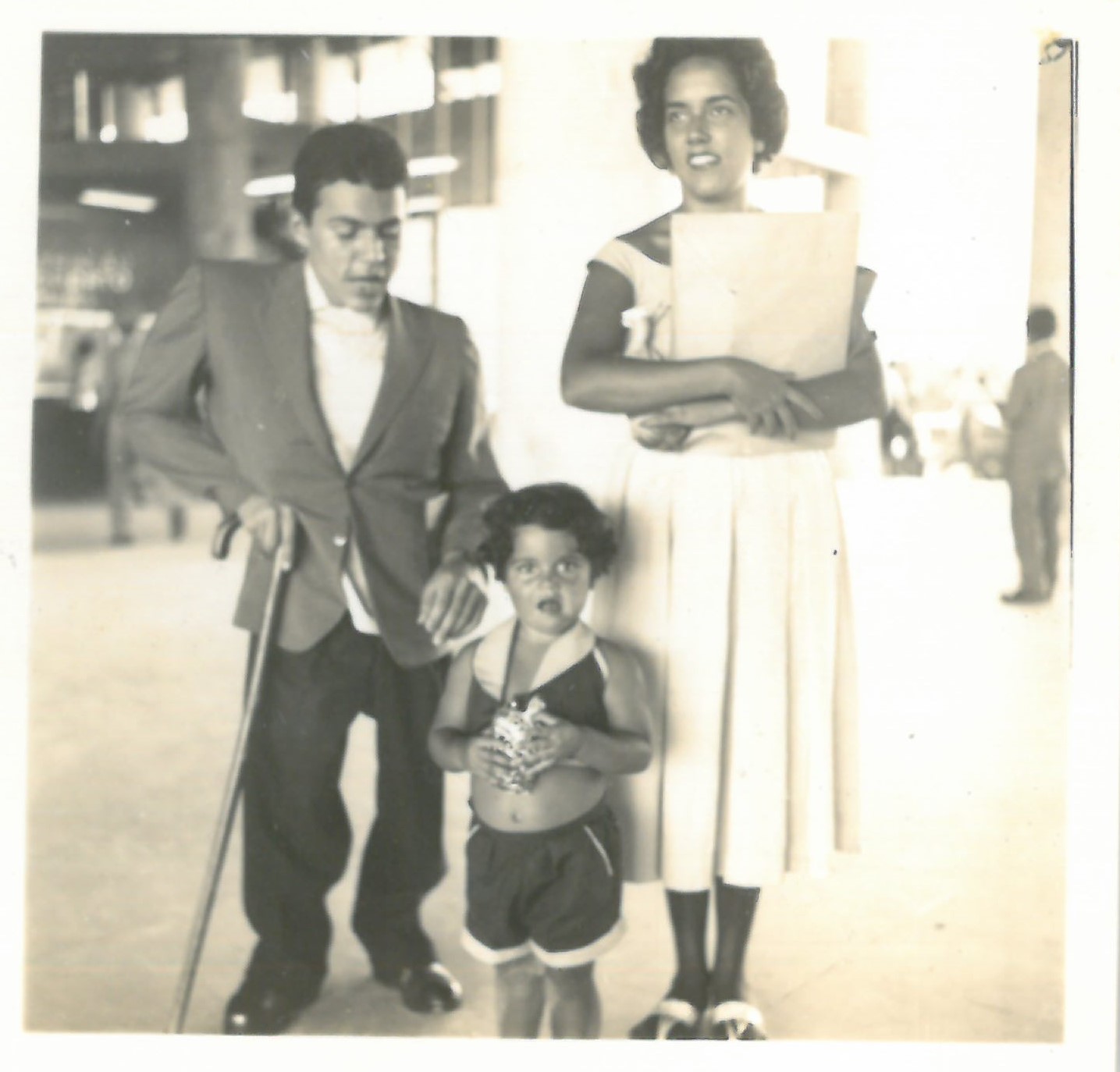
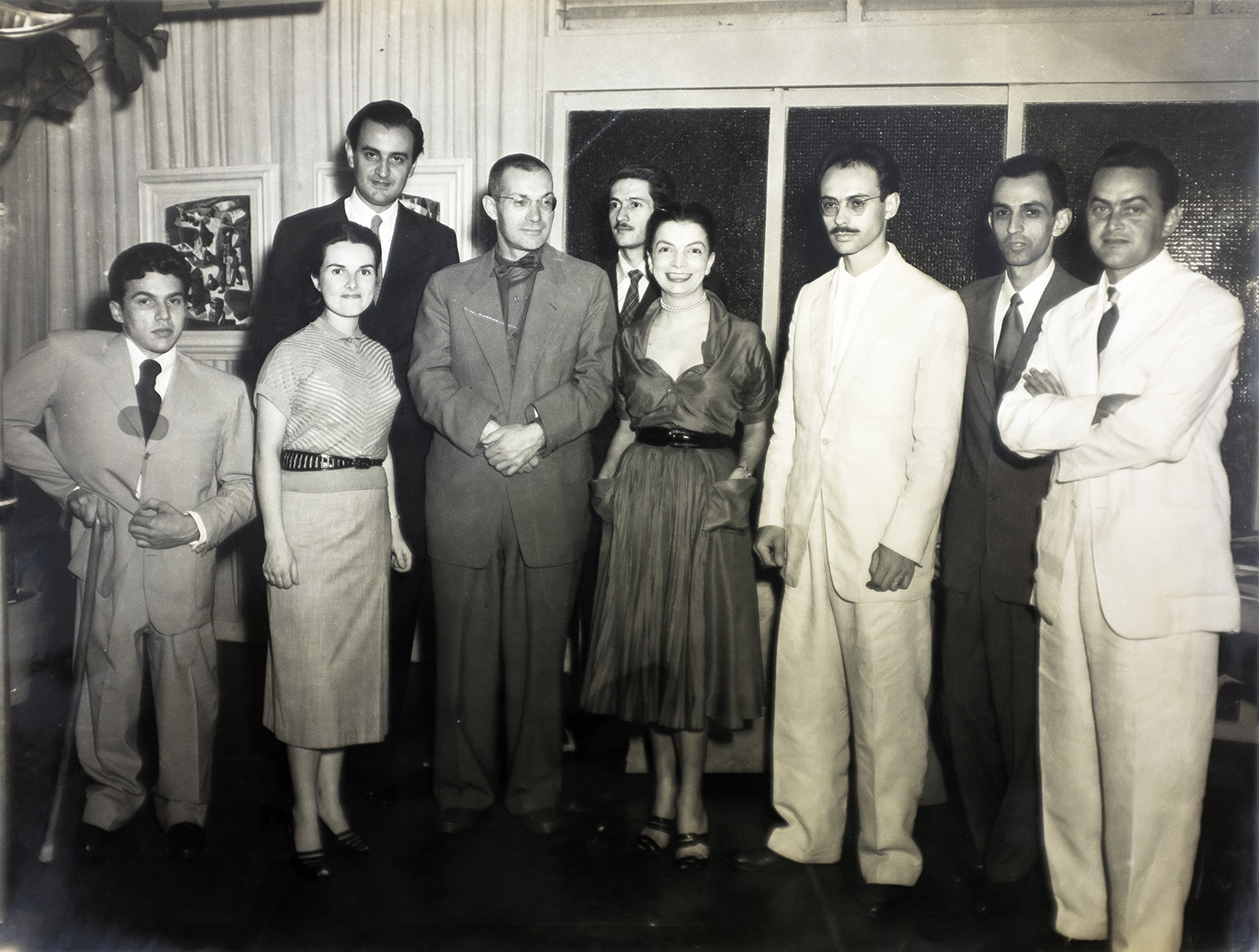
João José Silva Costa — J.J. — was born in Parnaíba, Piauí, in 1931. His father, a Bank of Brazil employee, asked to be transferred to the then Federal Capital in order to find better treatment for his son, who had contracted polio as a child. Paraplegia marked him throughout his life; the canes and the boots tailored to his feet became as characteristic of J.J. as his glasses and mustache.
In 1952 he entered the National School of Architecture in Rio de Janeiro and enrolled in Ivan Serpa’s free painting course at the Museum of Modern Art. At Serpa’s invitation he joined the Grupo Frente, participating in all of its exhibitions, as well as the 3rd, 6th and 9th São Paulo International Biennials.
When the Neoconcrete Manifesto was published in 1959, João José chose to distance himself from the group. He remained faithful to the ideas he believed in — and to easel painting, which suited his ability to move and served him fully as a means of expression. Over the years he explored collage, oil, gouache, Indian ink, watercolor and pastel pencil.
Painting and architecture
The spatial and sensory experience was exercised in his work as an architect. Reflecting Bauhaus principles and the influence of Paul Klee and Mondrian, he understood painting and architecture as belonging to the same field of knowledge. Lucio Costa sponsored his first office and invited him to take part in the construction of Brasília — a project incompatible with his mobility — and recommended J.J.’s office for the smaller commissions that reached his own.
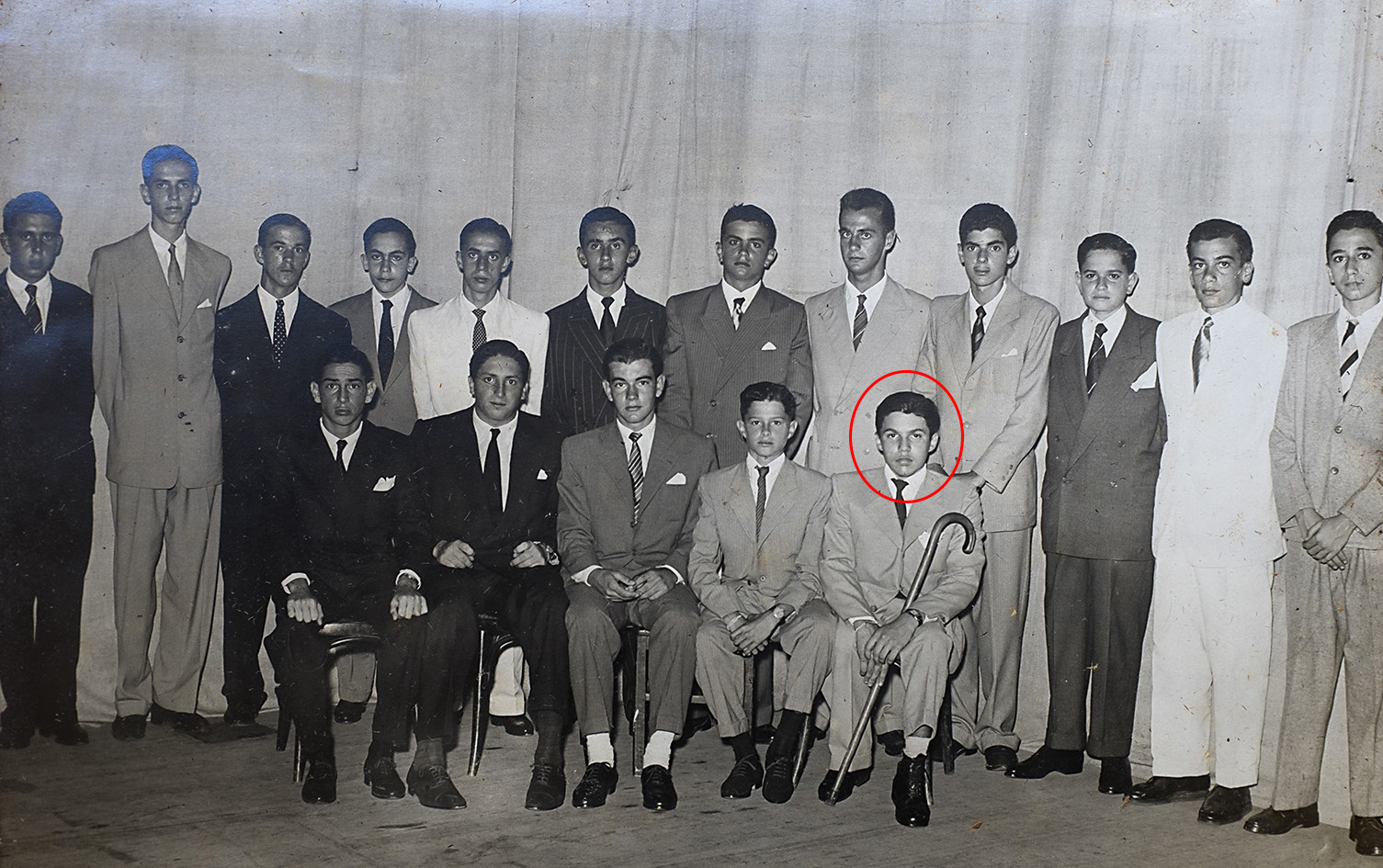
- 1931Born in Parnaíba, Piauí. In the 1930s the family moves to Rio de Janeiro to seek treatment for the polio he contracted as a child.
- 1952Enters the National School of Architecture and Ivan Serpa’s free painting course at MAM-RJ.
- 1953Joins the Grupo Frente at Serpa’s invitation; takes part in the 1st National Exhibition of Abstract Art in Petrópolis.
- 1955Shows two oil paintings and an architecture project at the 3rd São Paulo Biennial.
- 1957Opens his architecture office, Kübler Costa & Cia Ltda, sponsored by Lucio Costa.
- 1959Declines to follow the Neoconcrete Manifesto and continues his work autonomously.
- 2004Solo exhibition at Estúdio Guanabara, Rio de Janeiro, with a text by Ferreira Gullar.
- 2010Retires from architecture, his main professional activity for over five decades.
- 2011Publication of Entreinterposto, a study of painting and geometry in his work by Luiz Eduardo Meira de Vasconcellos.
- 2013Takes part in Sensitive Geometries at Hauser & Wirth, New York, and paints the watercolor series of gradations.
- 2014Dies in Rio de Janeiro, still painting in his studio-apartment.
02Works
From the collages of 1953 to the gradations of 2013.
22 works
03Fleeting Geometry
Geometria Passageira — the first exhibition after his death.
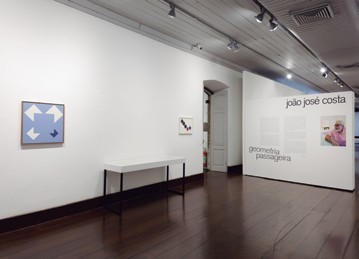
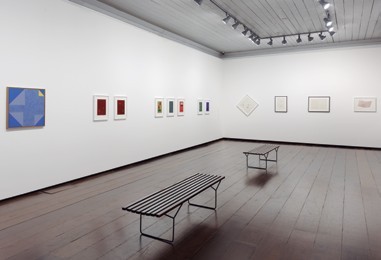
Installation views. Curated by Ronaldo Brito.
Most of the works shown came to light only after the artist died in 2014: the estate's work of research and conservation recovered a series of almost unknown works on paper from the 1950s and placed them beside paintings made in the last decades of his life.
In his catalogue essay, Ronaldo Brito describes an artist who never stopped testing the ideas he believed in — a geometry that is not a fixed system but something in passage, always provisional, built from the smallest possible means.
The catalogue also gathers a chronology prepared from the artist's own notes, exhibition records and the testimony of his family, and a full list of the works exhibited, many of them reproduced here in the Works section.
04The Acervo
A personal collection kept in the studio where he lived.
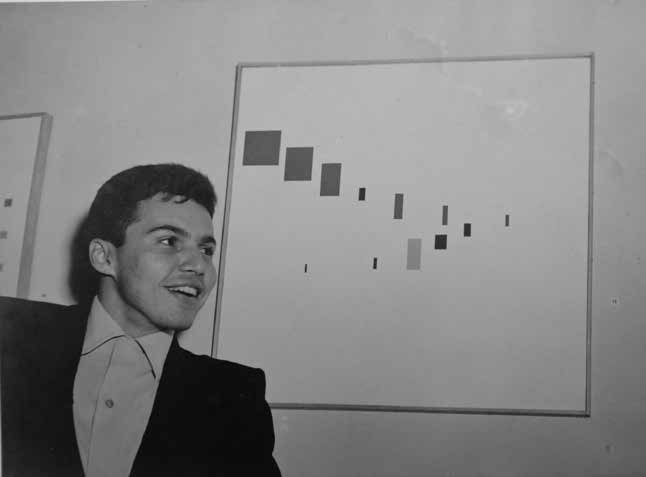
João José kept his personal collection in his studio-apartment in Rio de Janeiro. It brings together works from every period of his career and much of his latest production, from 2000 to 2014. He did not propose to work his art commercially, but did not oppose exhibiting when invited — today his works are part of important collections in Brazil and abroad.
The study of this collection opens new insights into the work of João José Costa, and into the aesthetic solutions he sought for the conceptual and formal impasses faced by the concrete movement.
The collection holds
- Unpublished series of works on paper from the 1950s
- Paintings from the 1960s through 2014
- Geometric studies of the paintings
- Tile patterns and sculpture studies
- Historical newspaper clippings and exhibition catalogues
- About 8 hours of audiovisual material filmed in the studio
05Publications
Catalogues and books, from the Grupo Frente to today.
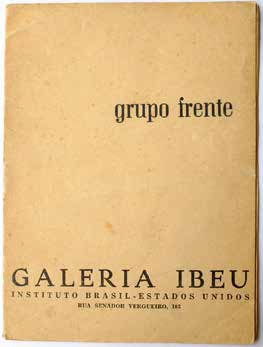
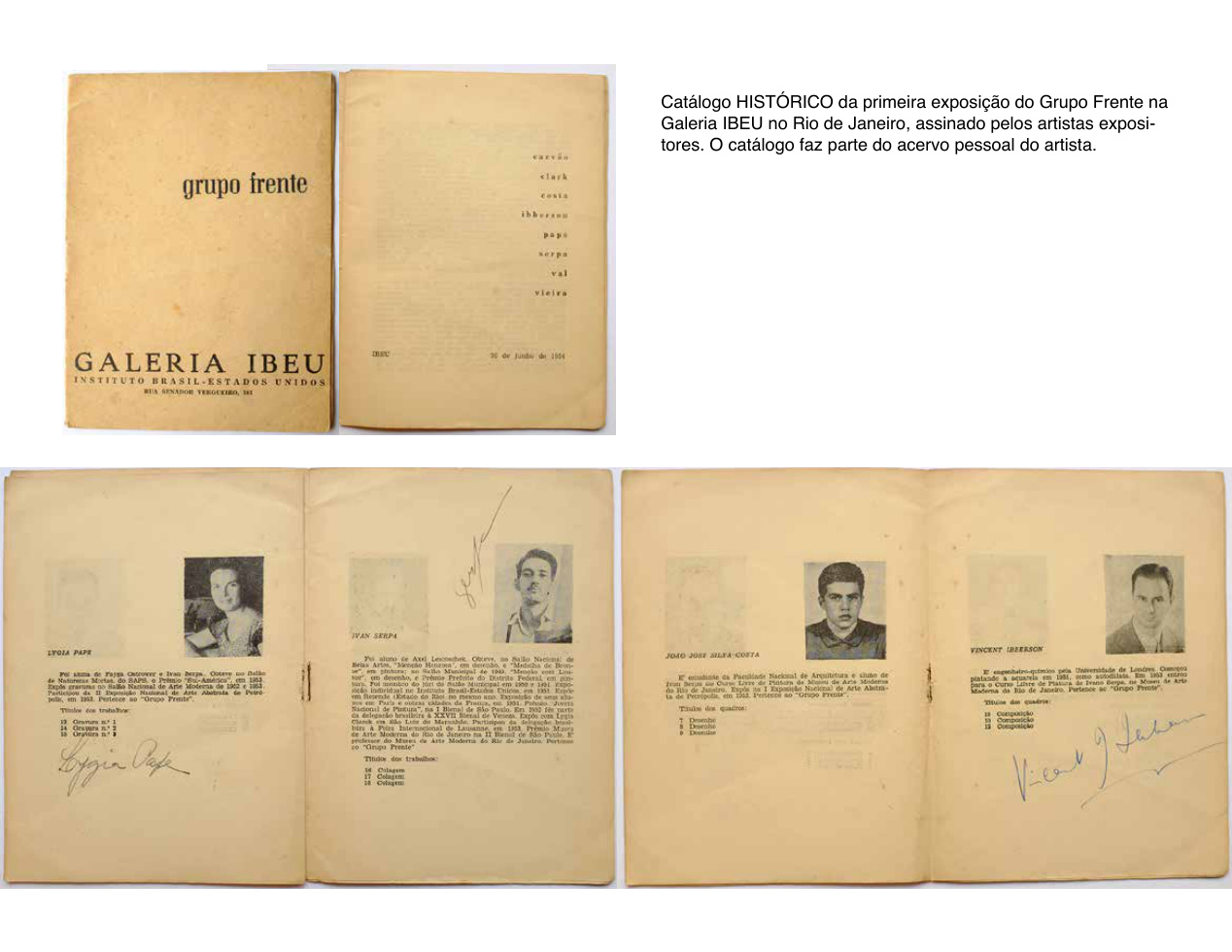
1954Grupo Frente — Galeria IBEUInterior pages with the group members and their signatures. Rio de Janeiro. 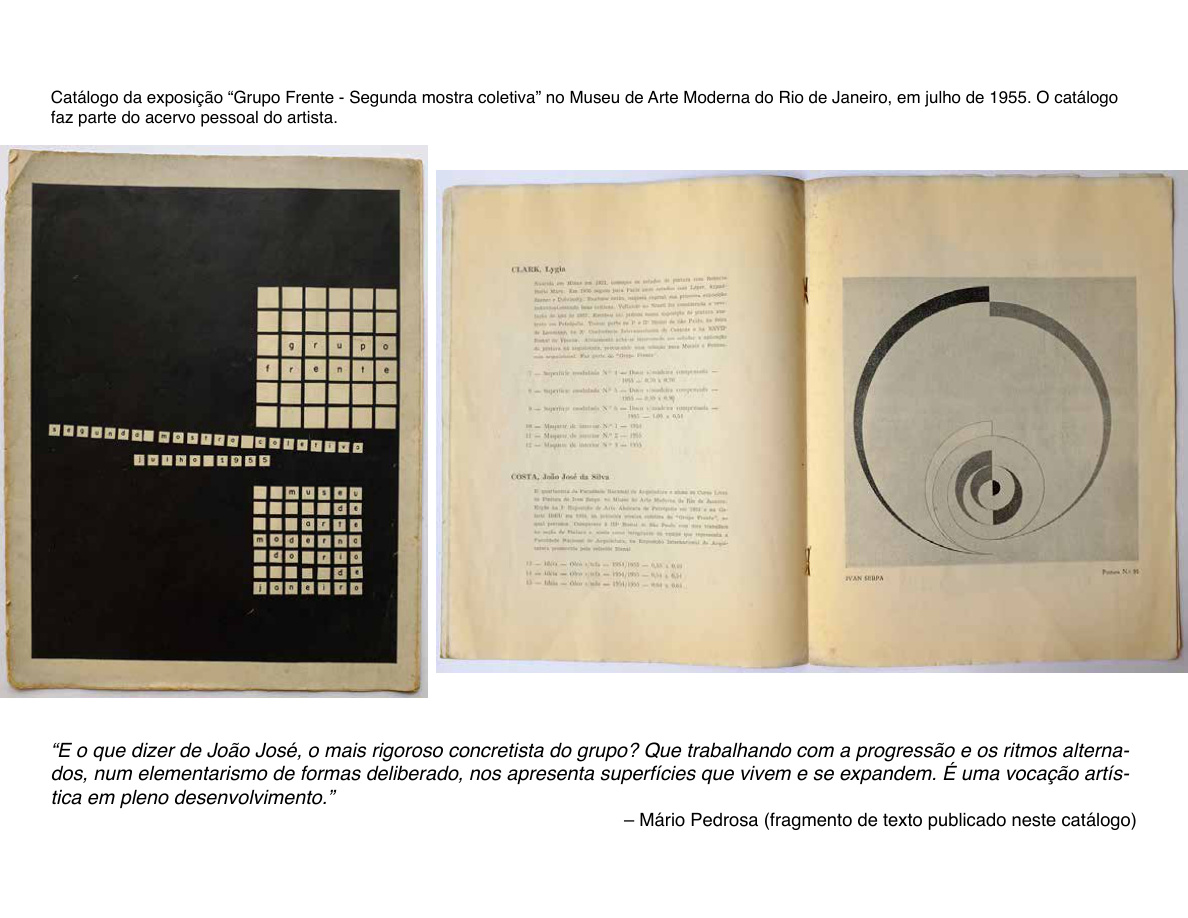
1955Grupo Frente — Second Collective ExhibitionMuseu de Arte Moderna do Rio de Janeiro, July 1955. Text by Mário Pedrosa. 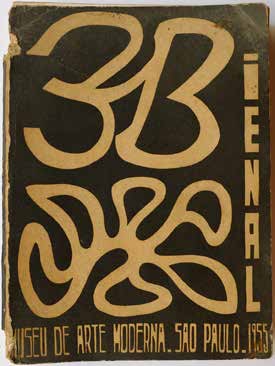
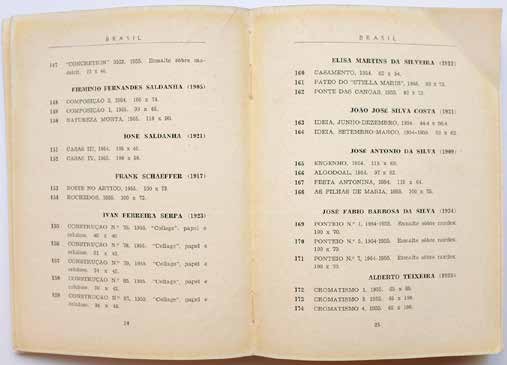
19553rd São Paulo BiennialMuseu de Arte Moderna de São Paulo. Two oil paintings and an architecture project. 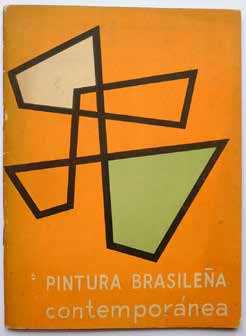
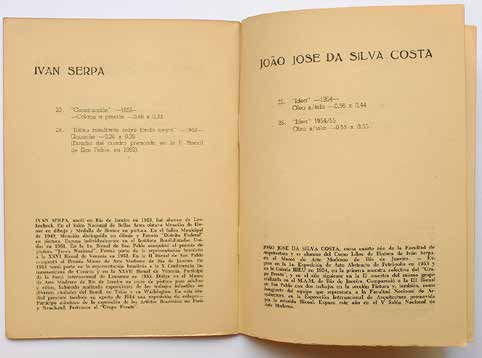
1956Pintura Brasileña ContemporáneaMontevideo, Uruguay. 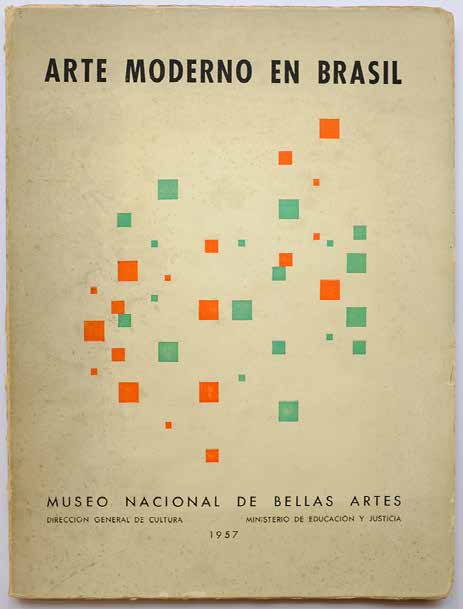
1957Arte Moderno en BrasilMuseo Nacional de Bellas Artes, Buenos Aires. 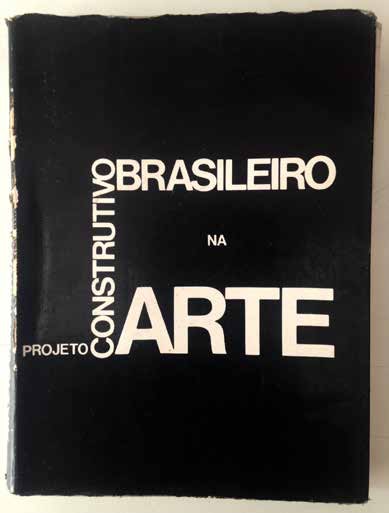
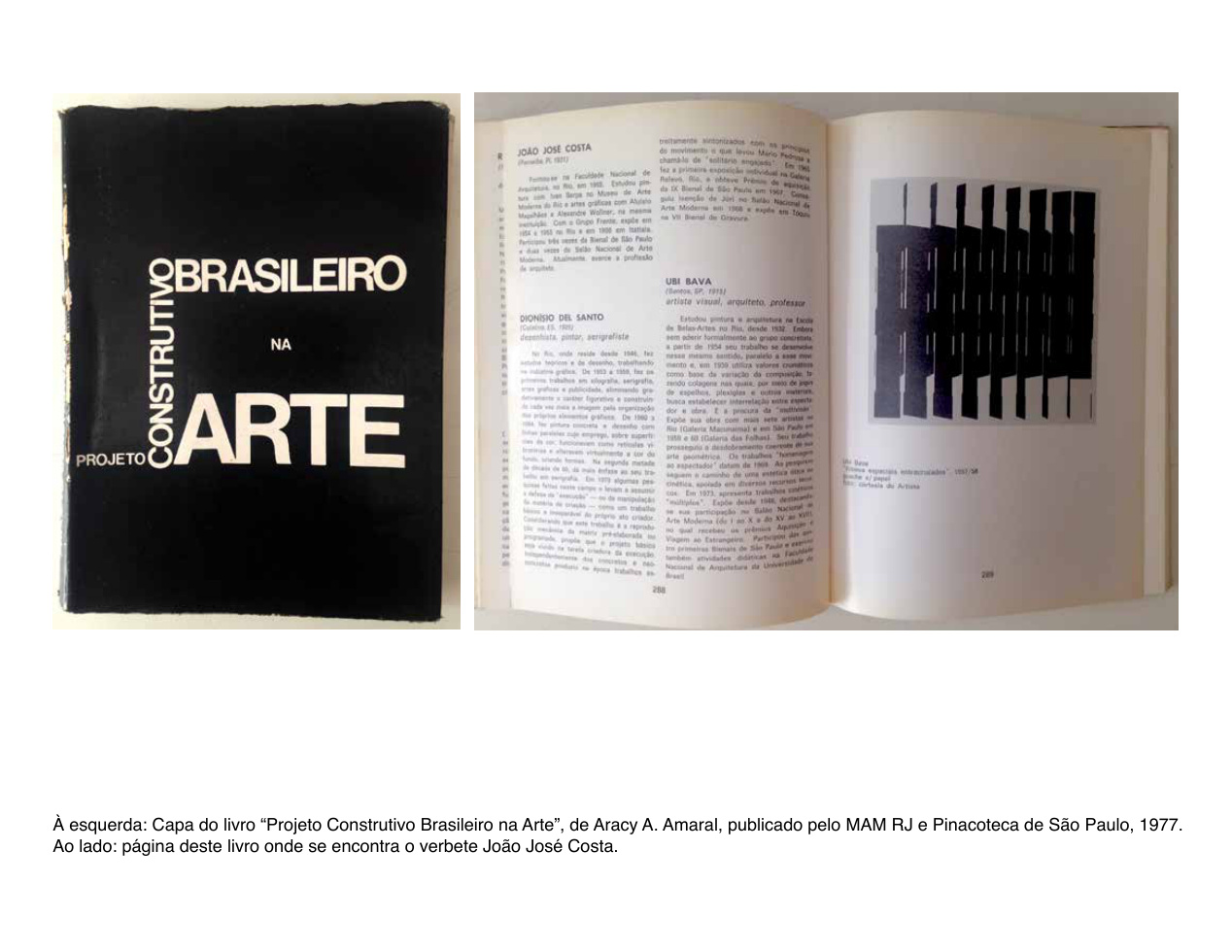
1977Projeto Construtivo Brasileiro na ArtePinacoteca do Estado de São Paulo and MAM-RJ. 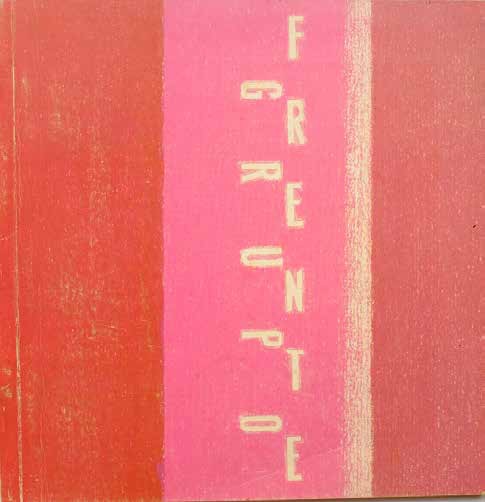
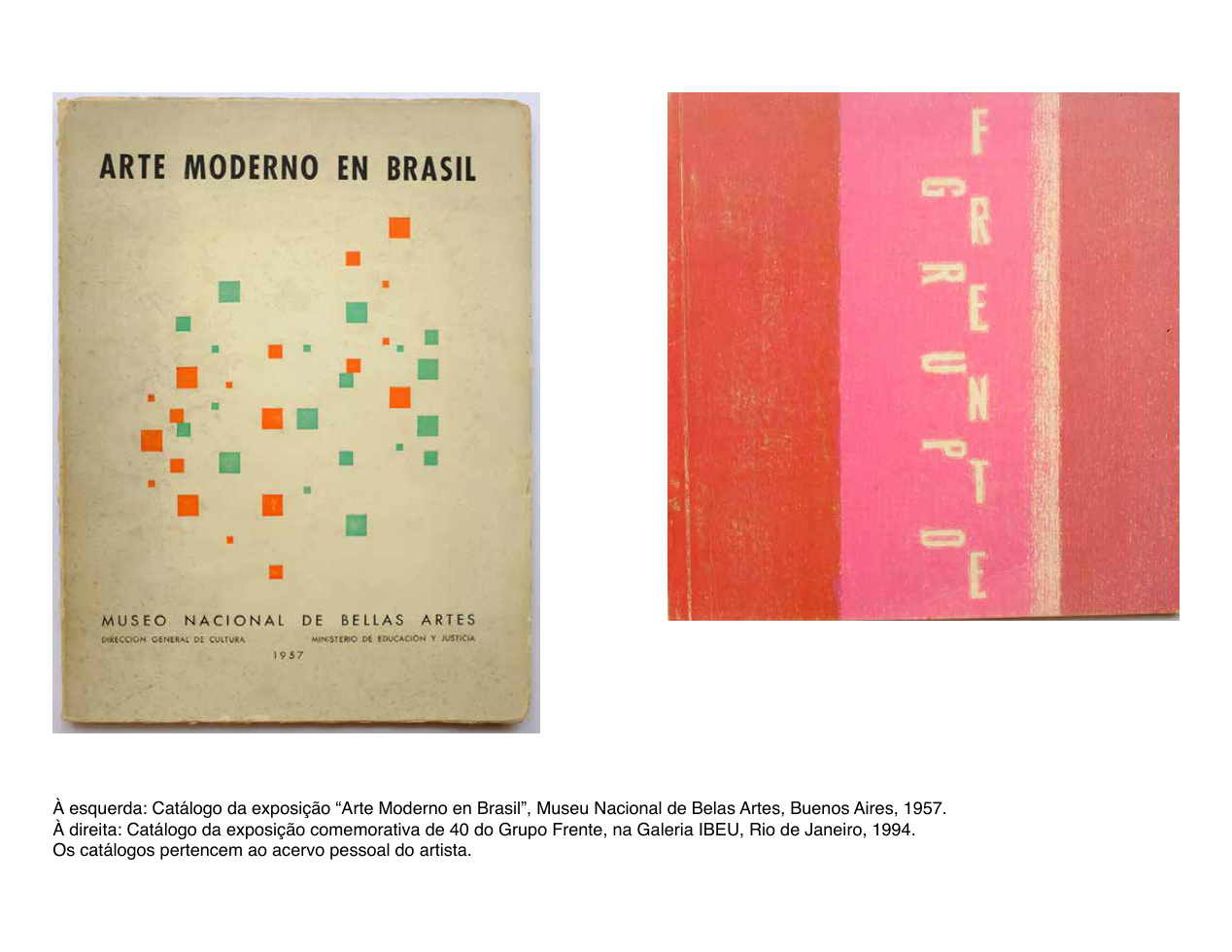
199440 Years of Grupo FrenteGaleria IBEU, Rio de Janeiro. 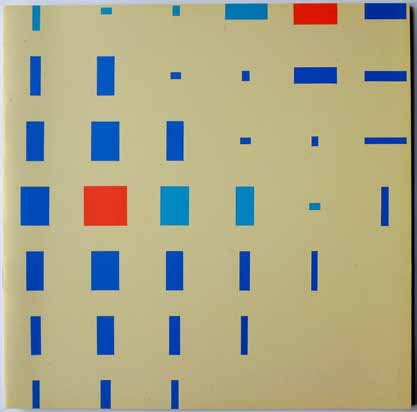
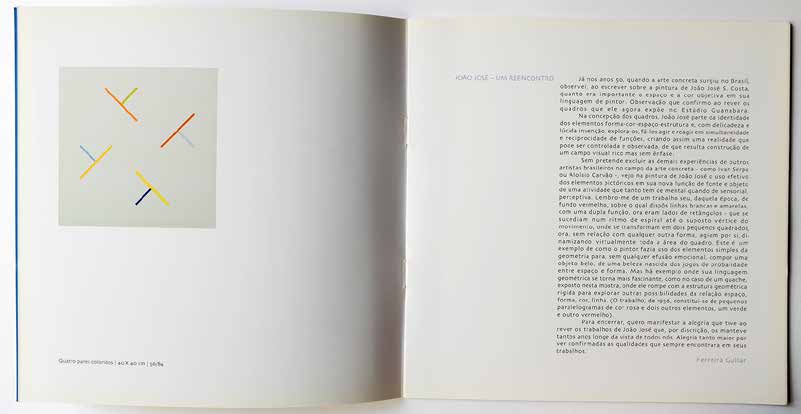
2004João José CostaSolo exhibition, Estúdio Guanabara, Rio de Janeiro. 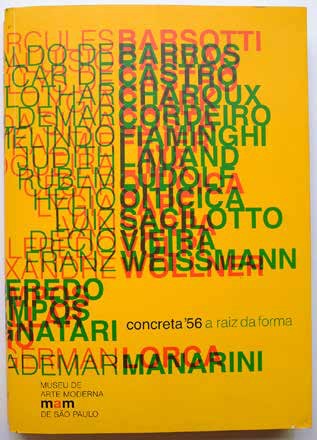
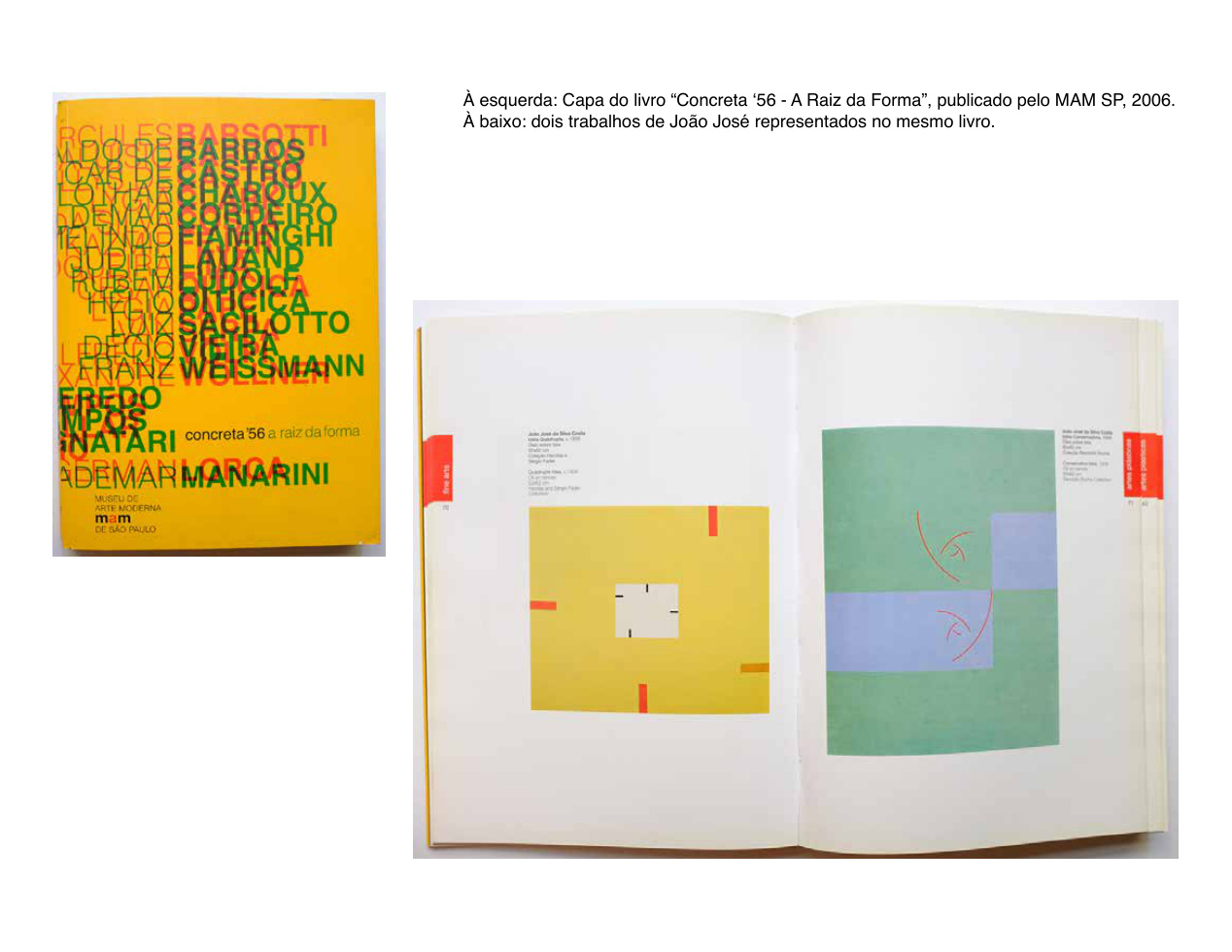
2006Concreta ’56 — A Raiz da FormaMuseu de Arte Moderna de São Paulo. 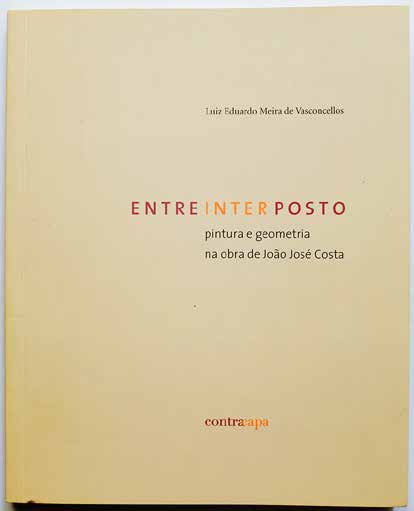
2011EntreinterpostoPainting and geometry in the work of João José Costa, by Luiz Eduardo Meira de Vasconcellos. Contra Capa. 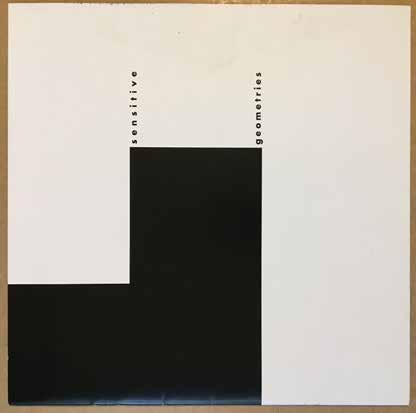
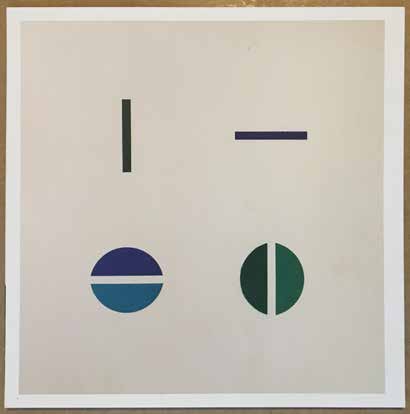
2013Sensitive Geometries: Brazil 1950s–1980sHauser & Wirth, New York. 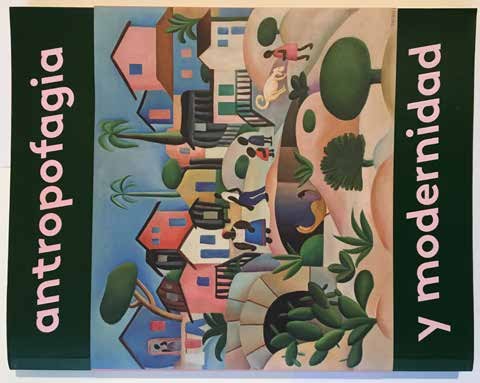
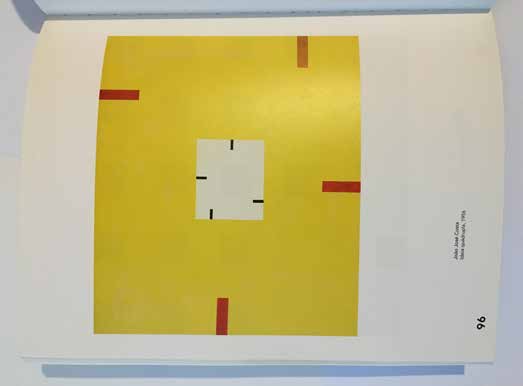
2017Antropofagia y ModernidadColección Fadel. Museo Nacional de Arte, Mexico; MALBA, Buenos Aires. 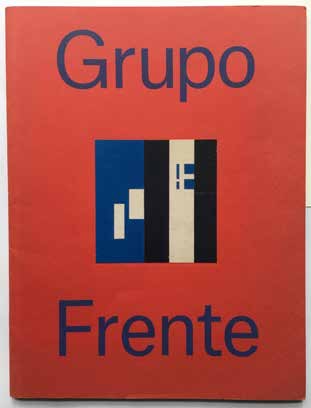
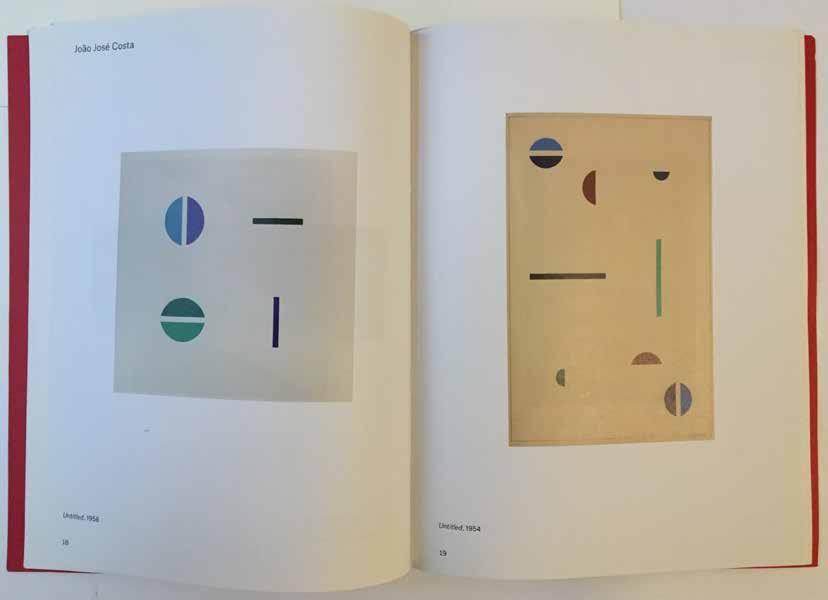
2017Grupo FrenteGalerie Lelong, New York. 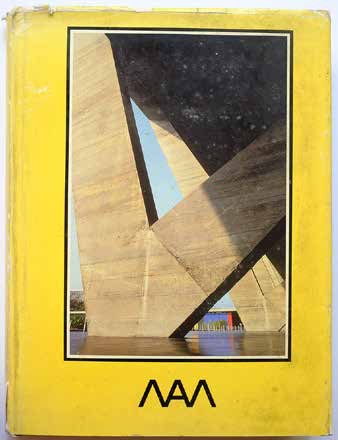
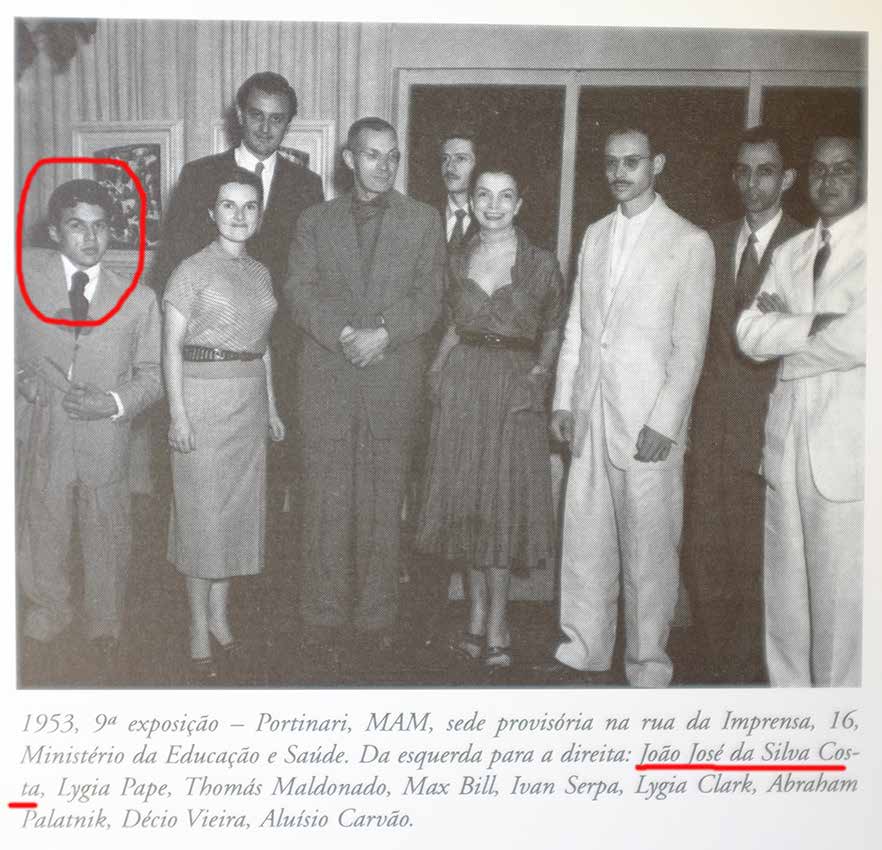
—MAM RioMuseum history; includes the 1953 photograph of J.J. with Max Bill at the Portinari exhibition.
06Exhibitions
From Petrópolis in 1953 to New York 2013, 2017, and 2026
- 19531st National Exhibition of Abstract ArtHotel Quitandinha, Petrópolis
- 1954Grupo FrenteGaleria do IBEU, Rio de Janeiro
- 1955Grupo FrenteMuseu de Arte Moderna do Rio de Janeiro
- 19553rd International Art Biennial of São Paulo
- 19565th National Salon of Modern ArtRio de Janeiro
- 1956Grupo FrenteItatiaia Country Club, Resende
- 1956Grupo FrenteCompanhia Siderúrgica Nacional, Volta Redonda
- 1956Pintura Brasileña ContemporáneaMontevideo, Uruguay
- 1956National Exhibition of Concrete ArtMAM São Paulo and MAM-RJ
- 1957Arte Moderno en BrasilMuseo Nacional de Bellas Artes, Buenos Aires
- 1957Pintura Brasileña ContemporáneaInstituto de Cultura Uruguayo-Brasileño, Montevideo
- 19616th International Art Biennial of São Paulo (three gouaches)
- 1964Coletiva 2Galeria NT Novas Tendências, São Paulo
- 19679th International Art Biennial of São Paulo
- 1969Galeria de Arte BCNRio de Janeiro
- 197718th National Salon of Modern ArtRio de Janeiro
- 1984Grupo Frente 1954–1956 (travelling exhibition)Rio de Janeiro, Volta Redonda, Resende, Belo Horizonte, São Paulo, Curitiba, Porto Alegre
- 1986Galeria SaramenhaRio de Janeiro
- 1989Arte como ConstruçãoRio Design Center, Rio de Janeiro
- 1991Homage to Mário PedrosaCentro Cultural Banco do Brasil, Rio de Janeiro
- 1992A Caminho de Niterói — Coleção João SattaminiPaço Imperial, Rio de Janeiro
- 1994Bienal Brasil Século XXFundação Bienal, São Paulo
- 199440 Years of Grupo FrenteGaleria IBEU, Rio de Janeiro
- 1996Inaugural ExhibitionMAC-Niterói
- 1996Desexp(l)os(ign)içãoCasa das Rosas, São Paulo
- 1998Arte Construtiva no Brasil — Coleção Adolpho LeirnerMAM-SP and MAM-RJ
- 2000Quando o Brasil era modernoPaço Imperial, Rio de Janeiro
- 2002Caminhos do Contemporâneo 1952–2002Paço Imperial, Rio de Janeiro
- 2002Mapa do Agora — Coleção João Sattamini/MAC-NiteróiInstituto Tomie Ohtake, São Paulo
- 2004Estúdio GuanabaraRio de Janeiro
- 2006Concreta 56 — A Raiz da FormaMuseu de Arte Moderna de São Paulo
- 2006Arte Concreta e Neoconcreta — Da Construção à DesconstruçãoDan Galeria, São Paulo
- 2007Dimensions of Constructive Art in Brazil — Adolpho Leirner CollectionMuseum of Fine Arts, Houston
- 2008Galeria Berenice ArvaniSão Paulo
- 2011Maria Antonia Centro Universitário da USPSão Paulo
- 2011Galeria Gustavo RebelloRio de Janeiro
- 2013Sensitive Geometries: Brazil 1950s–1980sHauser & Wirth, New York
- 2016Antropofagia y Modernidad — Colección FadelMuseo Nacional de Arte, Mexico; MALBA, Buenos Aires
- 2017Grupo FrenteGalerie Lelong, New York
- 2019Geometria PassageiraPaço Imperial, Rio de Janeiro
- 2026Arte no PapelGaleria Berenice Arvani, São Paulo
- 2026New phase of the estate projectNYC
07Collections
Works in public and private collections.
- 01Museum of Fine Arts, Houston
- 02Inhotim, Minas Gerais
- 03João Sattamini Collection — MAC-Niterói
- 04Gilberto Chateaubriand Collection — MAM-RJ
- 05Hecilda and Sérgio Fadel Collection, Rio de Janeiro
- 06Adolpho Leirner Collection, São Paulo
- 07Olavo Setubal collection, Itaú Cultural, São Paulo
- 08Randolfo Rocha Collection, Belo Horizonte
- 09Pinky Wainer and Zuca Pinheiro Collection, São Paulo
- 10José Maurício Machado Collection, São Paulo
- 11Francisco Arevalo Collection, Miami
- 12Museum of Contemporary Art of Buenos Aires
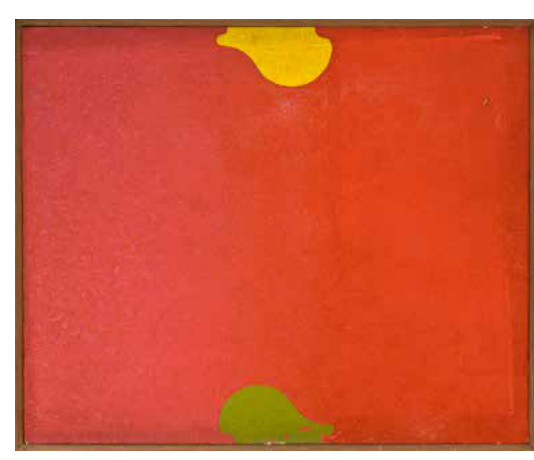
The Estate
Six decades of paintings, works on paper, studies, and documents.
The estate is currently cataloguing works by João José Costa held in public and private collections.
The technical reserve holds more than 300 works, most of them already catalogued, with the remaining records currently being finalized.
In 2026, the estate entered a new phase of investment and international expansion, marked by the opening of a New York office and plans for a solo exhibition in 2027.
- Technical reserve
- São Paulo, Brazil
- Office
- New York, USA
Team and contact
Maria Mazzillo, daughter of the artist · Pedro Mazzillo, son of the artist · Pablo Koury, representative
hello@joaojosecosta.com247 Water St, Suite 209, New York
@joaojosestate